❄️ Snow Happens. Be Ready! Save 25% on your first Paw Thaw Autoship order, 20% on your second and 15% on your third.
Explore the Offer
High Protein Dog Food
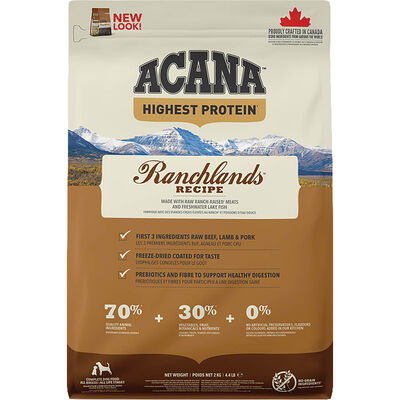
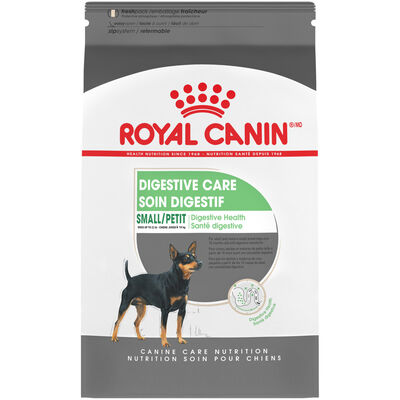
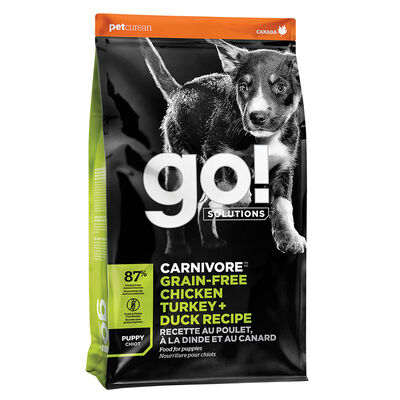
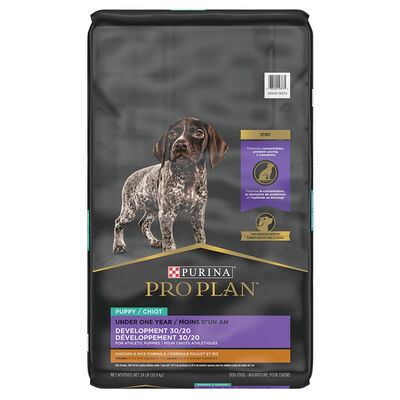
Shop high protein dog food at Ren's Pets, with nutritious recipes designed to support lean muscle, energy and overall wellness. Explore high protein formulas from trusted dog food brands for puppies, adults and active dogs.
High Protein
75 Result(s)

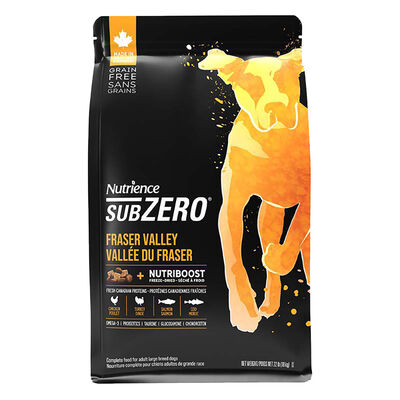
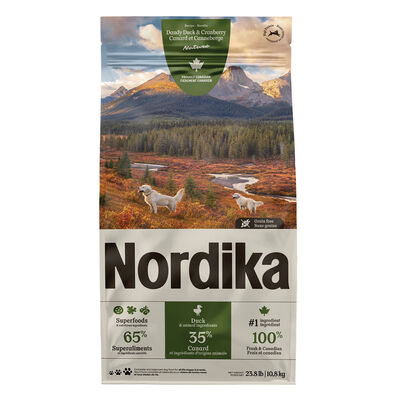
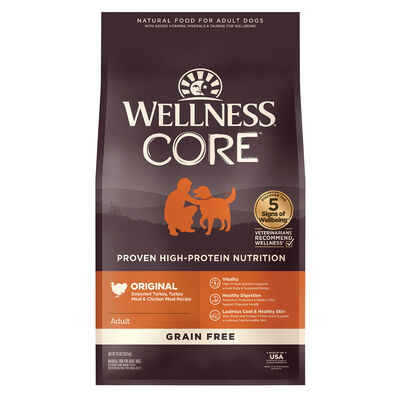
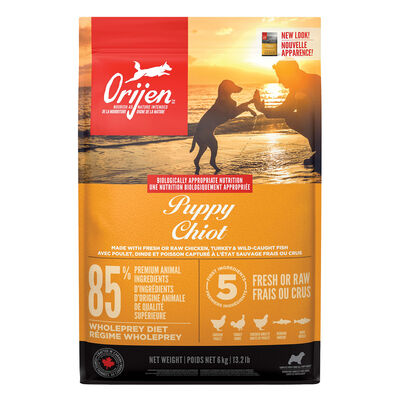

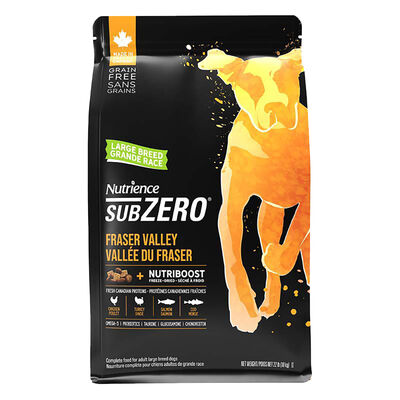
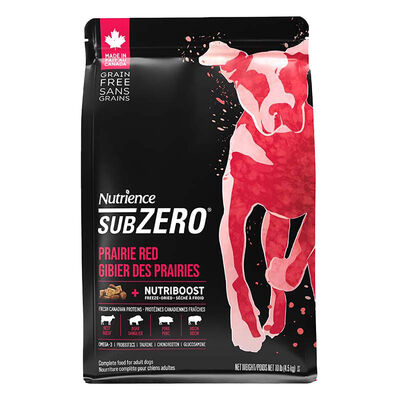
Nutrience - Nutrience, Adult Large Breed - SubZero Grain Free - Fraser Valley - 10 kg - Dry Dog Food
10 kg
$99.99
($10.00/kg)
Online
My store
Frequently Asked Questions
As omnivores, dogs rely on an adequate protein intake for growth and vitality. A high-protein formula supports overall canine health by promoting healthy muscle mass, boosting immune defenses, and optimizing organ functions. This nutritional support is also reflected in healthier skin and a shinier coat.
To ensure canine health, the AAFCO sets minimum nutritional standards: 22.5% for puppies and 18% for adult dogs. A formula is officially classified as "high protein" when it exceeds these standards to reach a level of 29% or more, calculated on a dry matter basis. This increased concentration supports the most demanding metabolic needs.
A high-protein formula optimizes several functions of the canine body:
- Structural Development: Crucial for muscle synthesis in puppies and maintaining physical condition in seniors.
- Natural Defenses: Amino acids strengthen the immune system by promoting antibody production.
- Metabolic Optimization: Provides necessary energy for active dogs while stabilizing vitality levels.
- Dermatological Health: A significant portion of protein intake is used for skin regeneration and coat shine.
- Satiety and Metabolism: Supports weight management by increasing satiety and targeting body fat loss.
A balanced formula typically relies on a combination of two protein categories:
- Animal-Based Proteins: Sourced from meat such as chicken, beef, and lamb, as well as fish and eggs. These provide a complete essential amino acid profile, which is why raw dog food is an increasingly popular choice for natural nutrition in dog food recipes.
- Plant-Based Proteins: Sourced from legumes such as peas and lentils, or grains. While they offer valuable fiber and minerals, they must be paired with animal sources to fully meet your dog's biological needs.
Whatever the source of protein, animal or plant-based, not all sources are created equal. In fact, the main distinction is between complete and incomplete proteins.
- Complete Proteins: These contain all 10 essential amino acids. Mainly animal-based, they are highly bioavailable, allowing the dog's body to absorb and utilize them with maximum efficiency.
- Incomplete Proteins: These lack one or more essential amino acids. They are commonly found in plant-based sources or low-quality animal by-products. They require more digestive effort and put additional strain on the kidneys and pancreas during elimination.
There is currently no evidence to suggest that a high-protein diet causes kidney problems in healthy dogs. The real issue is not the quantity of protein, but the quality of the sources chosen. Complete proteins are easily digestible and require much less filtration effort from the kidneys than plant-based proteins, bones, or organ meats. Therefore, it is essential to choose a food that prioritizes high-quality animal proteins.
However, if your dog has an existing kidney or liver sensitivity or disease, excess protein can be more difficult for their body to manage. In these cases, we recommend consulting your veterinarian before transitioning to a high-protein diet.
Quality Over Quantity: Contrary to popular belief, a healthy dog's kidneys are not damaged by high protein levels. The key lies in bioavailability: high-quality animal proteins are filtered much more efficiently than plant-based sources or low-quality by-products.
Medical Considerations: However, caution is necessary for dogs with pre-existing liver or kidney conditions. For these pets, excess protein can place an additional strain on the body. We strongly recommend seeking veterinary advice before switching to a high-protein diet if your dog has a known medical condition.
Whether a high-protein diet is appropriate depends largely on the animal's life stage and energy needs. This nutritional approach is particularly recommended to support muscle development for growing puppies, as well as to meet the increased energy needs of pregnant dogs and working dogs. For senior dogs, a consistent protein intake is essential for slowing down sarcopenia, or muscle loss, and maintaining mobility.
On the other hand, a high-protein diet may be unnecessary, or even inappropriate, for a dog with a sedentary lifestyle, as the balance between amino acid intake and energy expenditure must be maintained to prevent any imbalance. Dogs with specific medical histories also require special attention. For these cases, we recommend consulting your veterinarian beforehand.
A dog's digestive system requires an adaptation period to assimilate a new nutritional density. A transition spread over 10 days is key to preventing gastrointestinal upset and ensuring optimal acceptance.
- From days 1 to 3, mix 25% of the new food with 75% of the old.
- From days 4 to 6, move to a half-and-half mix, 50% / 50%.
- For days 7 to 9, offer 75% of the new food and 25% of the old.
- Finally, by day 10, your dog will be ready for 100% of their new food.
At this time, there is no definitive evidence that protein is the direct cause of diarrhea in dogs. Generally, other factors are involved. For example, switching to a higher-calorie diet too quickly or feeding low-quality protein that is difficult to digest can lead to digestive problems. We recommend that you always monitor your dog's behavior when switching foods.
As dogs age, they tend to lose muscle mass. A higher protein intake can therefore help maintain their physical fitness and mobility. The secret lies in choosing high-quality proteins: they are easier to digest and require less effort from the kidneys and liver to be filtered by the body.
However, it is essential to pay close attention to your companion's overall health. If your senior dog has a history of kidney issues, a diet that is too rich might not be suitable. In this case, we recommend consulting your veterinarian to determine the best nutritional plan for their specific needs.
To ensure your dog gets the most out of a high-protein diet, the quality of the source is essential. We suggest choosing formulas that feature complete animal proteins. These are better absorbed by the body and more effectively support your pet's overall health. For high-quality options, we specifically recommend brands such as:
Research indicates that a high-protein diet can effectively help with weight management by promoting satiety while preserving muscle mass. For optimal results, however, it is essential that the recipe is also low in carbohydrates and calories.