
WINTER PET SAFETY

Snow Happens. Be Ready.

From icy sidewalks to chilly walks, find everything you need to keep your pets safe, warm and comfortable this winter.

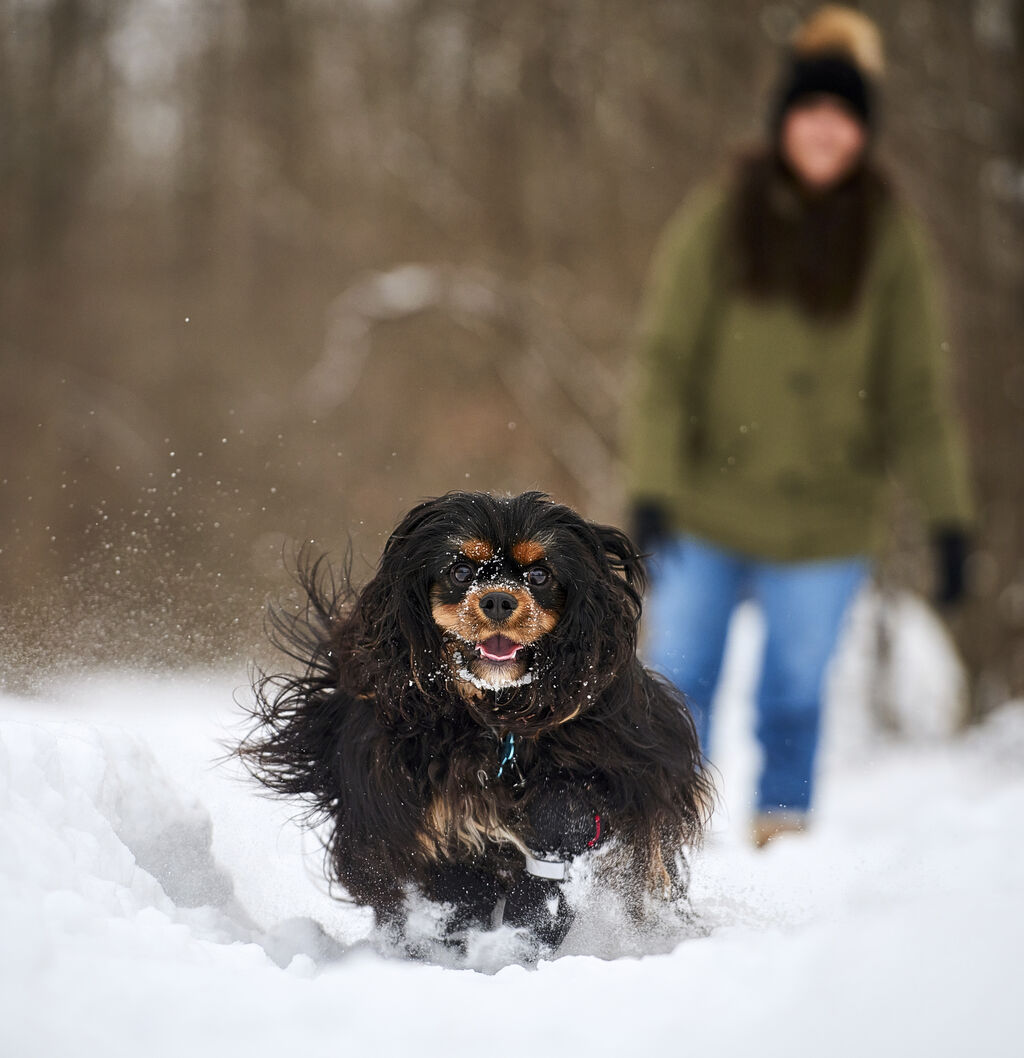
Dog running through the snow during winter

Shop Winter Essentials

Everything your pet needs for colder days.

FEATURED WINTER ESSENTIAL

Paws Ready. Winter Ready.

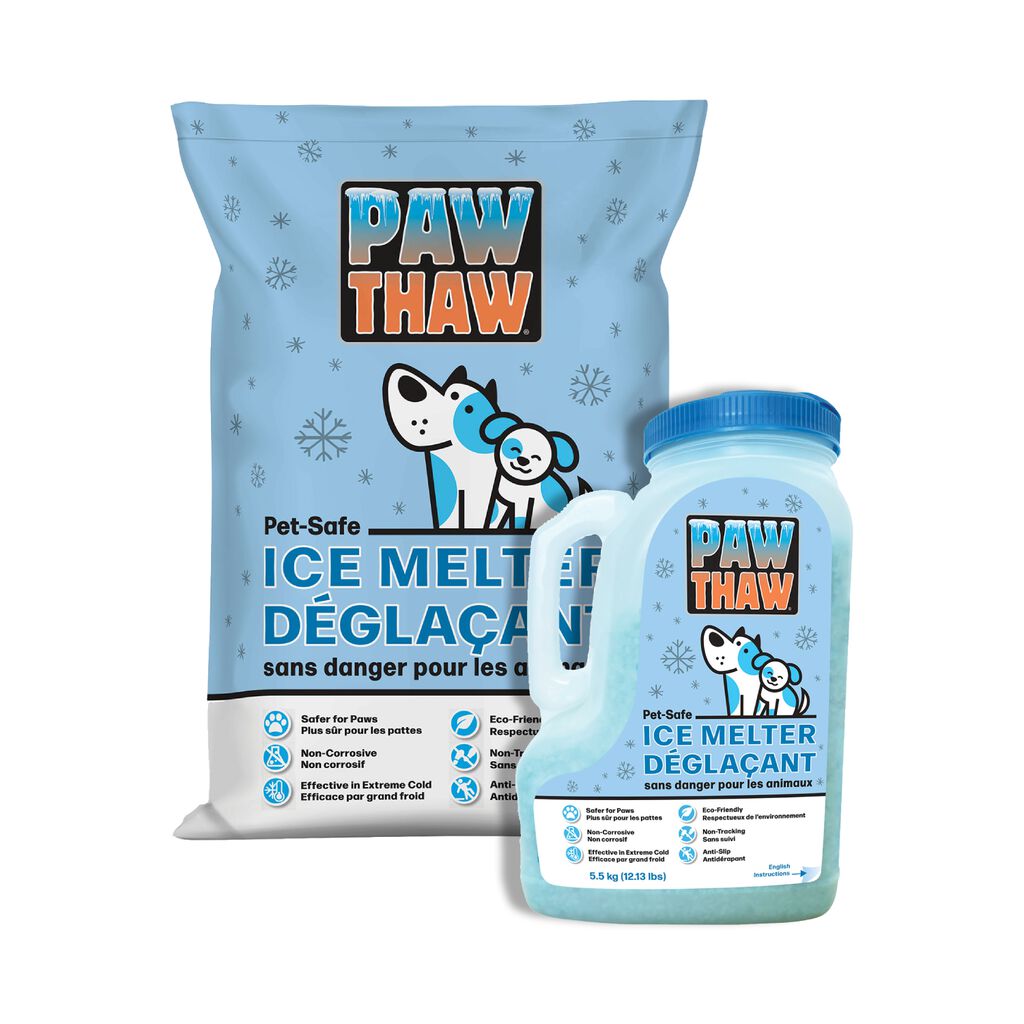
Icy walkways? Snow problem. Keep Paw Thaw pet-safe ice melter on hand to help make winter walks safer for your four-legged family members.

Safer for Paws Effective in Extreme Cold Eco-Friendly
SHOP PAW THAW
Paw Thaw pet-safe ice melter bag and container

Winter Pet Safety Tips

A little preparation goes a long way during the colder months.

PAW CARE

Protect Their Paws

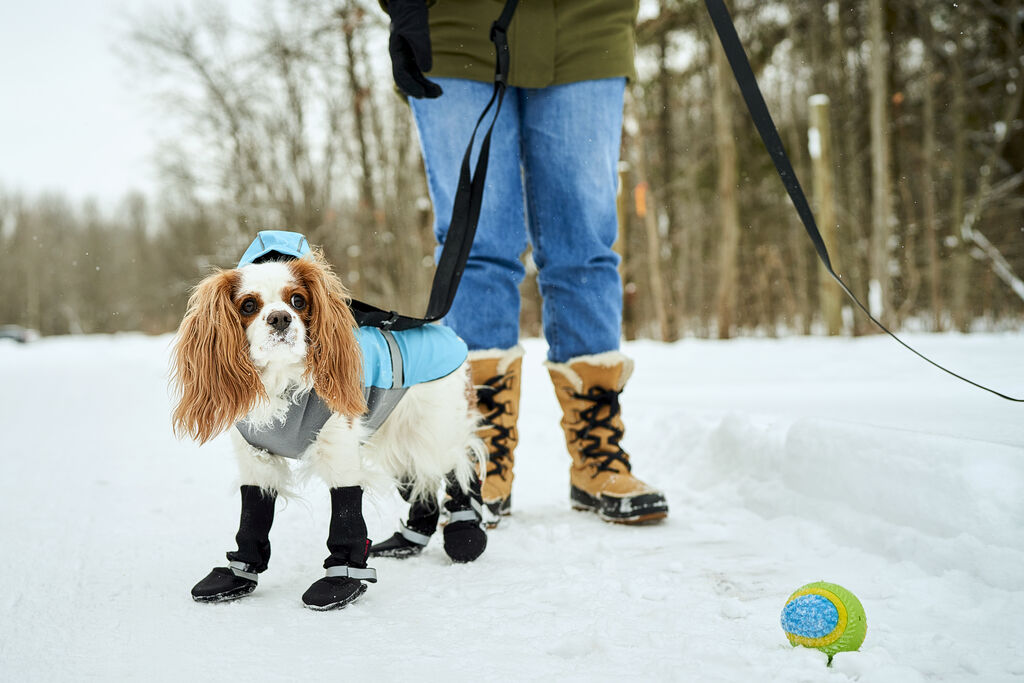
Snow, ice and de-icing products can irritate sensitive paws. Consider protective boots or paw balm, and gently wipe paws after every winter walk to remove salt and debris.

SHOP PAW PROTECTION
OUTDOOR SAFETY

Dress for the Weather

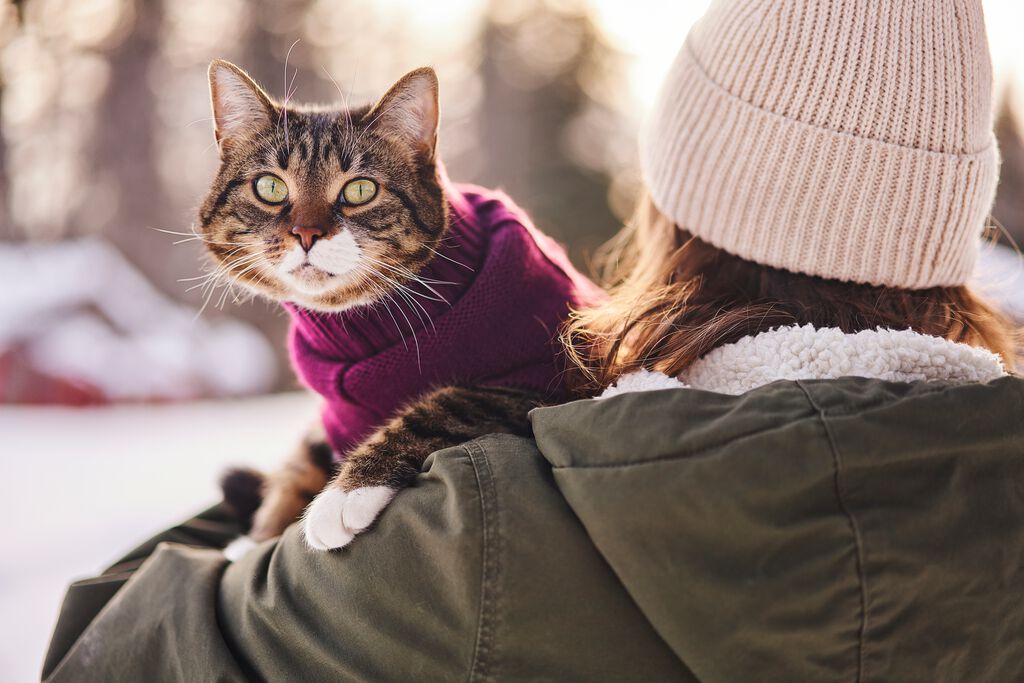
Cold temperatures and wind can make outdoor adventures uncomfortable. Choose suitable winter apparel, keep walks shorter during extreme cold and watch for signs of discomfort or shivering.

SHOP WINTER APPAREL
INDOOR COMFORT

Keep Them Cozy Indoors

Give your pet a warm, dry place to rest away from cold drafts. Comfortable bedding, fresh water and indoor enrichment can help make chilly days more enjoyable.

SHOP COZY COMFORTS

Winter safety reminder: Every pet handles cold weather differently. Age, breed, coat type and health can affect cold tolerance. Always supervise outdoor activities and bring your pet inside if they show signs of discomfort.

Ready for Whatever Winter Brings.

From snowy walks to cozy nights indoors, find everything you need to keep your pet comfortable and prepared all winter long.

SHOP WINTER ESSENTIALS

Frequently Asked Questions

Winter safety starts with protecting your dog from freezing temperatures, icy surfaces and harsh weather. Consider winter coats, protective boots and paw balm for outdoor walks. Keep walks shorter during extreme cold, wipe paws after exposure to road salt and provide a warm, dry place to rest indoors.

Pet-safe ice melt products are formulated to reduce certain risks associated with traditional de-icers, but no ice melt should be considered completely harmless. Follow the manufacturer's instructions, prevent pets from ingesting the product and wipe their paws after walking on treated surfaces. Products such as Paw Thaw can be part of your winter pet safety routine.

Dog boots and paw balm can help protect sensitive paw pads from winter conditions. After each walk, gently clean and dry your dog's paws to remove salt, ice and debris. Check regularly for redness, cracking or irritation, especially during colder months.

There is no single temperature that's too cold for every dog. Small dogs, short-haired breeds, puppies and senior dogs may be more sensitive to cold weather. Wind chill, moisture and time outdoors also matter. Watch for shivering, lifting paws, slowing down or reluctance to walk, and head indoors if your dog appears uncomfortable.

Some dogs benefit from winter coats and boots, particularly smaller breeds, short-haired dogs and pets sensitive to cold temperatures. A properly fitted winter coat can provide extra warmth, while dog boots can help protect paws from ice, snow and de-icing products. Choose accessories based on your dog's size, coat and activity level.

Provide warm bedding away from drafts, maintain access to fresh water and encourage regular indoor activity. Interactive toys, enrichment games and comfortable resting spaces can help keep pets active and content when outdoor time is limited.