Supporting a Healthy Weight for Your Pet
Weight management is an important part of supporting your pet's overall well-being. A nutritious diet, regular weight monitoring and daily exercise can all help your dog or cat maintain a healthy weight and enjoy an active lifestyle.
Weight gain in pets often happens gradually, which can make it difficult to notice. Even small changes can add up over time. Pet weight gain is typically associated with taking in more calories than the body uses, particularly when higher food intake is combined with lower activity levels.
Because every pet is different, your veterinarian can help determine an appropriate weight and weight-management plan based on your pet's size, age, breed, lifestyle and overall health.
Signs Your Pet May Be Overweight
- You have difficulty feeling their ribs when touching their sides.
- Their waist is no longer clearly visible when viewed from above or from the side.
- Their collar needs to be loosened.
- Your pet becomes short of breath more easily.
- They move more slowly than usual.
- You notice changes in their usual mood or behaviour.
Choose the Right Diet
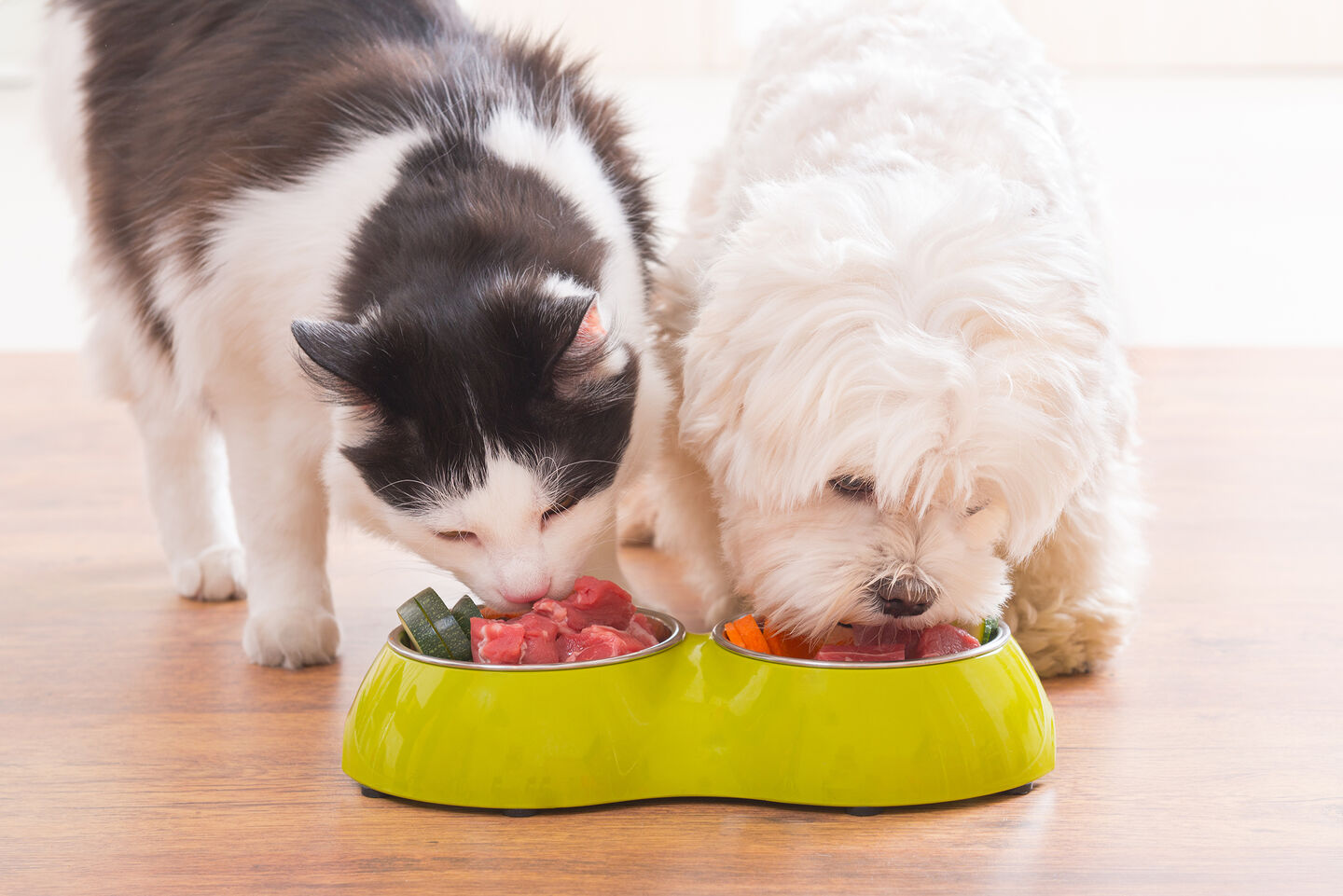
Your pet's diet is one of the most important factors in helping maintain an ideal weight. What and how much you feed will depend on your pet's size, activity level, life stage, individual needs and the type of food they eat.
If your pet needs to lose weight, speak with your veterinarian about an appropriate food and feeding plan. Foods formulated specifically for weight management are typically designed with fewer calories and less fat while providing fibre to help support slower digestion and a feeling of fullness.
Measure Meals
Portion meals instead of estimating how much food goes into the bowl. Consistent portions make it easier to understand how much your pet is eating each day.
Keep Track of Treats
Treat calories count too. Make sure everyone in the household knows how many treats your pet receives so extras don't quietly add up.
Choose Balanced Nutrition
Look for complete and balanced food suited to your pet's life stage and needs, and ask your veterinarian for guidance when weight loss is required.
Slow Down Mealtime
The bowl you use can make a difference too. Slow feeders, puzzle feeders and other interactive feeding toys can encourage pets to eat more slowly while adding enrichment to their daily routine.
Schedule Regular Check-Ups and Weigh-Ins
Regularly monitoring your pet's weight and body condition can make it easier to notice gradual changes. Keep track of whether your pet is gaining or losing weight, particularly when you're following a weight-management plan.
Your veterinarian can help you establish an appropriate target and feeding plan. Regular weigh-ins between veterinary appointments can then help you track progress and determine whether your pet's routine is moving in the right direction.
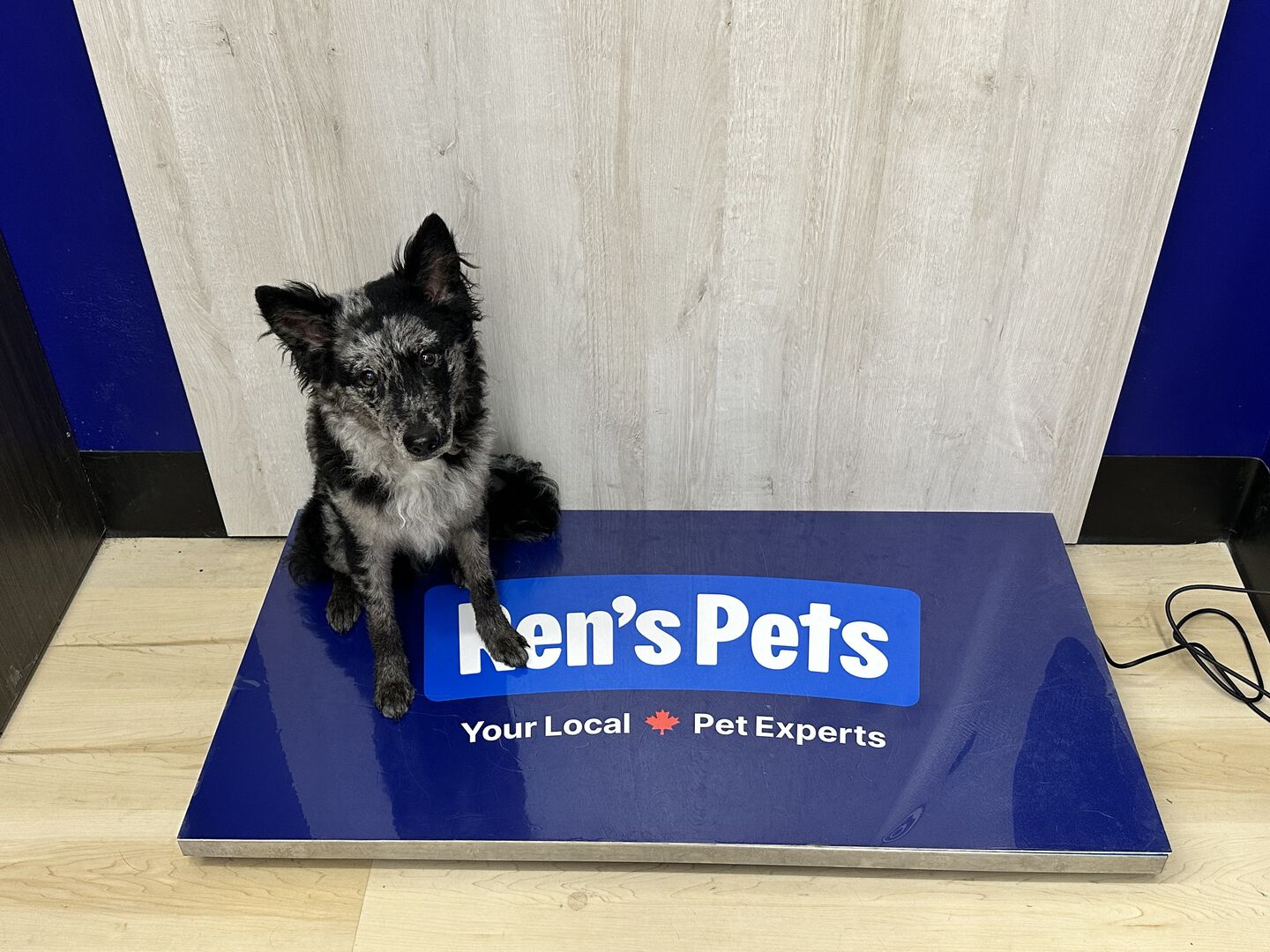
Free Pet Scales at Ren's Pets
Did you know Ren's Pets stores have pet scales available to use? Make a weigh-in part of your next visit and keep track of your pet's weight over time.
Encourage Daily Exercise
Along with feeding your pet appropriate nutrition, regular activity can play an important role in healthy weight management.
Instead of relying on occasional long exercise sessions, make movement part of your pet's regular routine. Walks, play sessions and other activities can provide consistent opportunities to stay active.
Introduce new or increased activity gradually so your pet has time to adjust. The right type and amount of exercise will depend on their age, health and physical ability.
Most importantly, make movement enjoyable. Toys, puzzles, walks and interactive play can keep your pet engaged while giving you more opportunities to spend time together.
Small Habits Can Make a Big Difference
Supporting a healthy pet weight doesn't come down to one thing. Balanced nutrition, regular weight monitoring and daily activity work together to help your pet maintain a healthy lifestyle. Keep an eye on gradual changes, build healthy habits into your routine and work with your veterinarian when your pet needs additional weight-management support.