The Right Advice Starts With Their Name.
Learn More →

First Aid Tips to Save Your Pet’s Life

Published March 25, 2026
By Ren’s Pets, Your Local Pet Experts
By Ren’s Pets, Your Local Pet Experts
Did you know April is National Pet First Aid Awareness Month?
Pets are curious, energetic, and often a little unpredictable. Whether they're chasing a ball, exploring the backyard, or sneaking a bite of something they shouldn't, accidents can happen quickly. This April, we're dedicated to helping pet owners learn how to keep their animals safe and respond if something goes wrong.
With a little preparation and the right knowledge, everyday pet owners can learn how to recognize problems early and take action. Here are a few simple ways you can help keep your pet safe and be ready in case of an emergency.
Here are some things you can do to keep your pet safe.
1. Keep a Dedicated Pet First Aid Kit
Having the right supplies on hand can make all the difference when your pet is injured or
suddenly unwell. A pet first-aid kit lets you respond quickly without scrambling to find supplies.
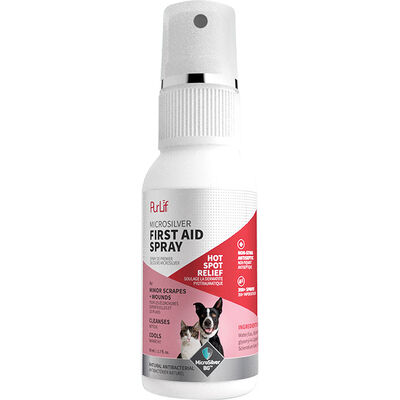
A typical pet first aid kit includes:
- Gauze pads and bandages
- Adhesive tape
- Antiseptic wipes or saline solution
- Tweezers and scissors
- Disposable gloves
- A digital thermometer
- A cold pack
- A blanket or towel
Having a ready-made kit ensures you have all the essential supplies organized and accessible. If you're not sure where to start, St John Ambulance offers a Pet First Aid Kit with all of these and more.
2. Take a Pet First Aid Course
Just like first aid for people helps you respond in critical moments before professional care is available, pet first aid offers the same course tailored to your pet. Pet First Aid courses are designed for everyday pet owners, not medical professionals, and focus on simple, clear steps that can make a real difference. In a St John Ambulance Pet First Aid training course you can expect to learn how to:
- Recognize signs of illness or distress
- Respond to choking or breathing emergencies
- Control bleeding and treat minor wounds
- Handle fractures or injuries safely
- Perform CPR for pets
These are practical skills that anyone can learn. St. John Ambulances' Pet First Aid course is designed specifically to give pet owners the confidence and knowledge to respond to emergencies involving dogs and cats. Learning these skills will help you stay calm, act quickly, and support your pet until veterinary care is available.
3. Have an Emergency Plan That Includes Your Pet
You might already have an emergency plan for fires, severe weather events, or other unexpected situations. Still, pets are often forgotten when those plans are made. Including your pet in your emergency planning ensures they are protected and cared for in the event of an emergency. A good pet emergency plan should include:
- A safe evacuation plan - Know where you will take your pet if you need to leave home quickly.
- Important contact information - Keep your veterinarian's phone number and address easily accessible, along with contact details for nearby emergency veterinary clinics.
- Pet identification - Ensure your pet has updated ID tags or a microchip.
- Designated responsibilities - If multiple people live in your household, decide who will grab the carrier, leash, or emergency supplies.
Planning helps reduce stress and ensures your pet isn't left behind during an emergency.
4. Focus on Prevention Every Day
While first aid skills are important, preventing emergencies whenever possible is even better. A few small habits can help reduce risks and keep your pet healthy:
- Keep toxic food, plants, and household chemicals out of reach.
- Supervise pets around unfamiliar animals.
- Provide plenty of fresh water and shade during warmer weather.
- Use a secure leash or harness during walks.
- Keep up with regular veterinary checkups.
Staying aware of your pet's normal behavior also helps you recognize when something isn't right. Changes in appetite, energy levels, breathing, or movement can sometimes signal a health problem. The sooner issues are noticed, the easier they are to treat.
Being Prepared Means Being There for Your Pet
Our pets rely on us to keep them safe. Learning how to respond in an emergency is one of the most meaningful ways we can care for them. This National Pet First Aid Month, consider taking a few steps to prepare. Preparation doesn't mean expecting something bad to happen; it means being ready to help the animals who trust us every day.
To help keep your pet safe and you prepared St John Ambulance is offering a special promotion. From April 1 – 15, where you can get $10 off your Pet First Aid Training Course with the purchase of any Pet First Aid Kit. If you’re interested in learning more check out www.sja.ca