Win your cat wish list!
Learn More

Three Key Tips for Pet Oral Hygiene

Published February 1, 2026
By the Ren’s Pets, Your Local Pet Experts
By the Ren’s Pets, Your Local Pet Experts
Did you know February is Pet Dental Health Month?
Healthy teeth mean a happier, healthier, and more active dog. This month is a reminder to schedule those veterinary dental check-ups, brush up on at-home care, and use appropriate dental toys to help prevent plaque and tartar buildup.
Why Good Dental Care Matters for Pets
- Prevents oral disease: Regular care reduces risks of gingivitis and periodontal problems.
- Lowers infection risk: Clean teeth help prevent the risks of dental diseases, which can affect other organs.
- Improves digestion: Healthy teeth make chewing easier, contributing to effective digestion.
- Improves behavior: Dental pain can cause irritability. Healthy teeth mean a happier pet.
Follow these 3 Key Tips for Pet Oral Hygiene:

1. Prevention
Daily dental care and regular visits to the veterinarian are the best way to maintain dental health. Your veterinarian can identify any potential issues and prevent them from worsening.
While brushing reduces the amount of plaque in your pet’s mouth, it doesn’t eliminate them. Just like humans, your pet will still need professional dental cleanings to keep their mouth healthy and prevent any dental issues from becoming more serious.
There are several signs your pet may need a dental cleaning, including bad breath, visible tartar on their teeth, bleeding gums and any signs of oral pain, like difficulty chewing, favouring one side of the mouth, or pawing at the mouth.
Look for offices like Juno, where they have state-of-the-art dental suites for all dental cleanings and procedures. Your pet will have anesthesia to keep them safe while the vets clean their teeth. Most basic dental cleanings will have scaling, where vet techs use an ultrasonic cleaning machine to remove any plaque and tartar above and below the gumline.
2. Cleaning
Teeth brushing can become a special bonding moment between you and your pet, strengthening your relationship while preserving their dental health.
However, getting them accustomed to daily brushing can be difficult, especially if they're not used to it. Start them off young with these tips:
- Gently run your fingers over their gums and teeth, and remember to reward your pet for good behaviour.
- Always use a pet safe toothpaste and spread the paste on your finger to get them used to the taste and texture.
- Next, introduce a soft toothbrush or a plastic fingerbrush that fits over your finger.
- Brush your pet’s teeth with gentle circular motions to avoid irritating their gums and pay special attention to the outer teeth.
- Start with brushing that lasts only a few seconds, before gradually extending the duration as your pet becomes more comfortable.
- In the beginning, aim for three times a week before increasing to daily.


3. Chewing
High-quality dental food is specially designed to perform mechanical brushing with the shape and size of the kibble. These foods do not replace regular brushing, but they help maintain healthy gums and freshen breath.
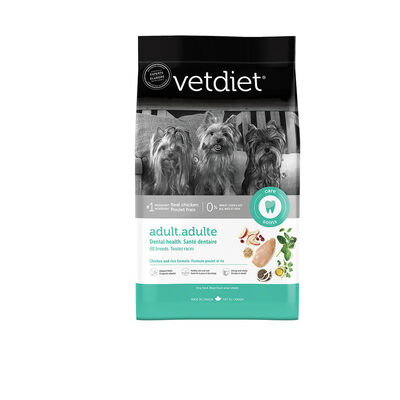
Choose formulas like Vetdiet dental health dry food, where every bite acts like natural brushing. Their specialized kibble contains sodium hexametaphosphate to help prevent tartar build-up while pea fibre creates a brushing-like action to help remove plaque. The shape and size of the kibble encourage chewing and as a bonus, the added peppermint and parsley help keep your dog’s breath fresh.
Brush-free Options for Pets
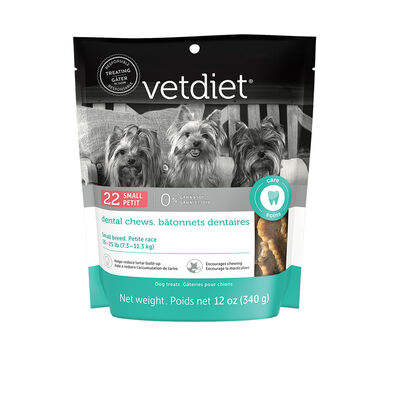
If daily brushing presents a challenge, fortunately at Ren’s we offer many alternatives. Use dental chews and treats as another way to care for the teeth and gums of your pets without using a toothbrush.
These chews contain sodium hexametaphosphate, a scientifically proven ingredient that helps reduce tartar build-up. The dental chews contain parsley and green tea extract, and they also encourage chewing through their unique shape and texture to help clean teeth.
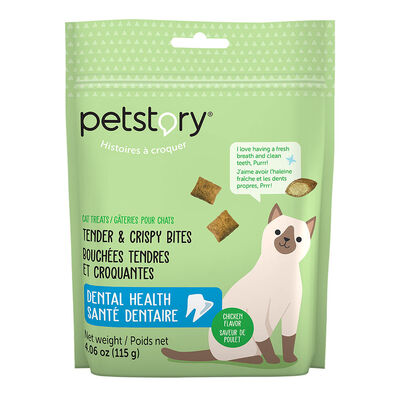
Petstory Dental Health Cat Treats
These bites are crispy on the outside and tender on the inside, making them the perfect oral treat. Bursting with flavours your cats will love, it makes keeping your cat’s gums healthy easy.
You can also use supplements, oral additives, and toys designed to stimulate your pet’s natural chewing instincts. These entertaining options not only keep them busy but also promote healthy teeth and gums.
Maintaining good dental hygiene is essential for the overall health of our pets. By combining home care, professional dental cleanings, and appropriate accessories, you can provide your pet with a comprehensive approach to ensure excellent dental hygiene!