The Right Advice Starts With Their Name.
Learn More →

Three Basic Cues to Teach Your Dog

Published January 1, 2026
By the Ren’s Pets, Your Local Pet Experts
By the Ren’s Pets, Your Local Pet Experts
Did you know?
Learning the basic cues “Sit”, “Stay” and “Come” can help build your dog’s confidence and strengthen your bond. Since January is Train Your Pet month, read on for how to get your dog started on their obedience training journey.
Why start with these cues?
These simple cues can minimize behavioural problems, while also providing mental stimulation for your dog. It's best to start with the most common cues when beginning obedience training for dogs of any age. As your dog learns, you can slowly add more cues, tricks, and behaviours to your training routine.
Each cue can help build trust and patience in an excited or easily distracted puppy. These are one-word verbal cues that only have one meaning. Use them consistently and practice them often to help your dog learn faster and build better habits over time.
Best Treats for Dog Training
Don’t forget the treats!
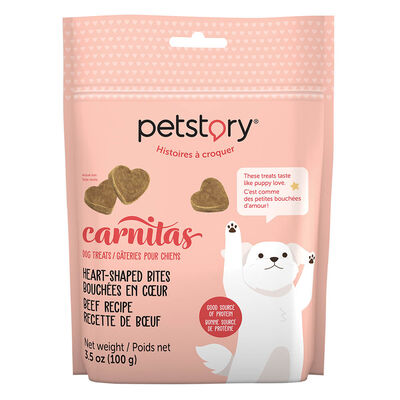
Dogs learn best when they’re rewarded with something yummy. When training, choose treats that are small, soft and easily digestible.
When choosing the best dog training treats, consider three main factors: size, ingredients, and appeal.The treats should be small enough for frequent rewards, but not overfilling. Look for high-quality ingredients and minimal additives in treats to promote your dog’s overall health.
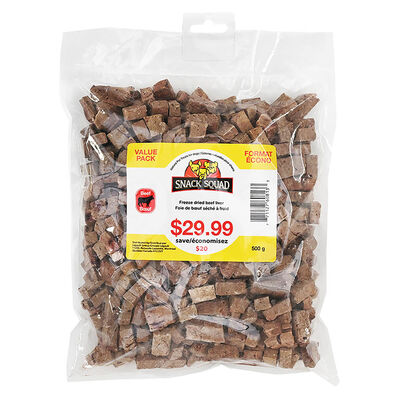
We recommend bite-sized treats when training. High-value treats like freeze-dried meats will be particularly enticing to dogs.
How to teach your dog the “Sit” cue

Begin with a training treat in hand and let your dog sniff it. Use the hand holding the treat to make the appropriate signal, but protect the treat with your fingers to keep your dog from eating it.
The hand signal for “sit” is as follows:
- Open palm up, fingers pointing upwards
- After letting the dog sniff the treat, move your hand over and slightly towards the back of the dog’s head.
- As soon as your dog performs the desired behaviour, give them a treat and some praise, using one or two simple words like “good dog”.
How to teach your dog the “Lie Down” cue

This cue builds off of the “sit” cue mentioned above. First, begin with a treat in hand and have your dog sit. Then continue, using the hand signal for “lie down”:
- Hand flat, palm down
- Lower the hand holding the treat to the ground between the dog’s front paws.
- For this cue, it’s important to have your dog sit before awarding a treat to encourage them to stay near you.
How to teach your dog the “Come” cue

The "come" cue can be a lifesafer in an unexpected situation. Recall skills often take time, meaning the earlier you start, the better your dog’s off-leash behaviour will be. Start in a calm and controlled environment, and then gradually introduce this cue in open, crowded or distracting places.
The hand signal for “come” is as follows:
- Open palm down, moving hand towards you
- Pro tip: If your dog doesn’t come and runs off, shorten the distance between you and your dog to get its attention, and back up when it tries to reach you by repeating the “come” cue.
Pro Tips When Training Your Dog
When training with your dog, make sure to keep cues consistent and remember to be patient with your dog. Keep training sessions short to not overwhelm them, and always end on a positive note.
Teaching these simple cues can go a long way in keeping your dog out of trouble and helping them navigate the human world safely and politely. Not only are these cues easy to learn, but they are the top three cues you can use to keep your puppy safe in a new environment.